

Table of Contents
- What Makes Premium Faith Apparel Different
- How to Spot High Quality Streetwear in Faith-Based Clothing
- GSM Weight in Apparel Explained: Why Fabric Density Matters
- Durability and Wash-Test Reality: How Premium Faith Apparel Holds Up
- Ethical Manufacturing in Clothing: What You're Actually Paying For
- Price Comparison: Premium Faith Apparel vs. Standard Streetwear
- Is It Worth the Investment? The Real Answer
- Frequently Asked Questions
Last Updated: September 21, 2026
What Makes Premium Faith Apparel Different
Premium faith apparel differs from standard streetwear through intentional design, superior materials, and craftsmanship that reflects the values behind the message.
Premium pieces use superior fabrics like 100% Supima cotton and heavyweight fleece that hold up to repeated wear and washing, while standard streetwear cuts corners with lower-grade cotton blends that deteriorate quickly.
Quality pieces feature carefully considered typography and design that works as genuine fashion, not generic statements. Your outfit should feel like a natural extension of who you are, not preachy or in-your-face, a distinction that matters at work, the gym, or casual outings.
Custom-made-to-order production means each piece is crafted specifically for you rather than mass-produced in bulk, reducing waste and ensuring quality control at every step.
How to Spot High Quality Streetwear in Faith-Based Clothing
Identifying quality in faith-based apparel requires understanding what separates premium construction from mediocre production beyond price alone.
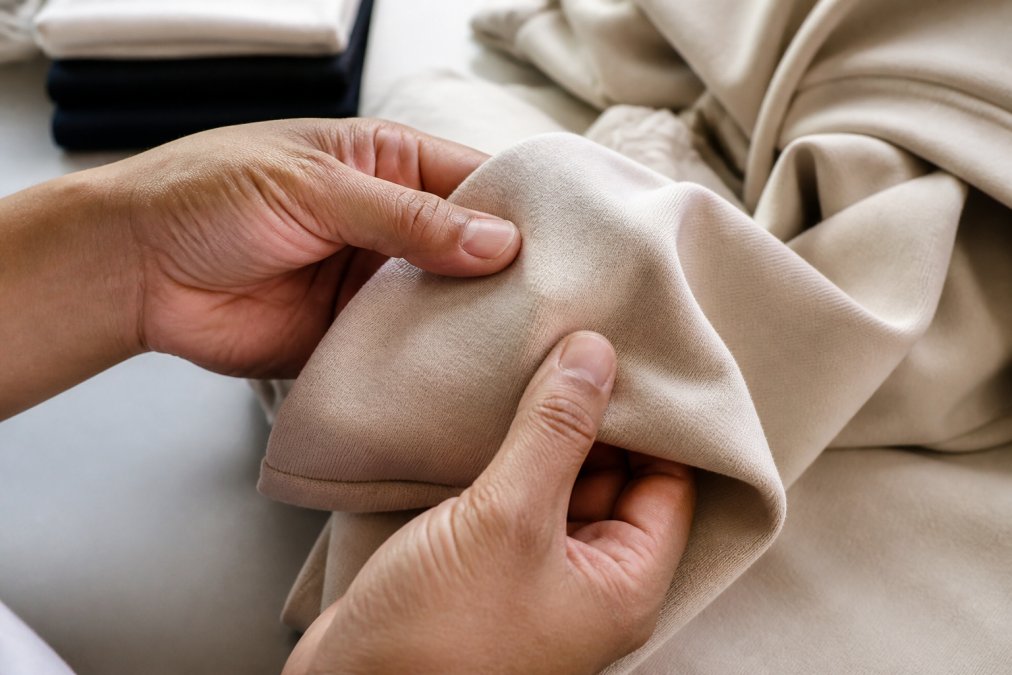
Start with fabric composition: 100% cotton or 100% ring-spun cotton beats blends, which don't breathe as well and pill more easily. "Combed cotton" signals extra refinement steps that produce softer, more durable fabric.
Feel the weight: premium pieces have substance. A quality tee should feel dense enough that light doesn't shine through it.
Check construction details: seams should be straight, even, and tightly stitched. Premium apparel includes ribbed cuffs, reinforced seams at stress points, and properly aligned graphics, details that separate a $30 tee from a $47.60 premium option.
Graphics matter significantly: screen-printed designs use multiple ink layers for durability, while direct-to-garment printing creates softer results. Check if the design is centered and properly aligned, sloppy placement signals corners cut elsewhere.
The fit should feel intentional: premium pieces use specific proportions, dropped shoulders, or relaxed fits as deliberate design choices, not manufacturing accidents.
GSM Weight in Apparel Explained: Why Fabric Density Matters
GSM (grams per square meter) measures fabric density, how much material is packed into a given area. Understanding GSM helps you predict durability and longevity before you buy.
GSM weight directly determines how long apparel lasts. A 200gsm tee feels light and breathable, a 220gsm heavyweight tee feels substantial, and a 400gsm crewneck provides serious durability. Higher GSM means more fiber content and greater resistance to pilling, fading, and thinning.
Consider the Chrimsan Christian Clothing LLC lineup as a practical example. The I Follow Jesus Tee uses 100% combed cotton at standard weight, ideal for everyday wear in warmer months. The Grateful Tee jumps to 220gsm Supima cotton, creating a premium heavyweight construction that feels elevated and lasts longer. The Enough Crewneck reaches 400gsm with ring-spun cotton fleece, delivering serious durability for a piece you'll reach for constantly.

Here's the practical reality: lighter fabrics (150-180gsm) feel soft initially but deteriorate faster. Medium weight (200-250gsm) hits the sweet spot for most tees and long sleeves. Heavy weight (300gsm and above) creates durable basics that age well. For hoodies and sweatshirts, anything below 350gsm feels thin and cheap. Premium pieces typically land at 400gsm or higher.
The fiber type matters as much as the weight. Ring-spun cotton undergoes extra processing that aligns fibers, creating stronger, softer fabric than regular cotton. Supima cotton is a premium variety with longer staple fibers, producing garments that resist pilling and maintain their appearance wash after wash. These details combined with proper GSM weight create apparel that actually lasts.
Durability and Wash-Test Reality: How Premium Faith Apparel Holds Up
The real test of premium faith apparel comes after weeks of actual wearing and washing. Durability determines whether your investment justifies the higher price or whether you're paying for marketing hype.
Quality faith-based apparel should maintain its shape, color, and graphic integrity after repeated washing. This means the fabric doesn't shrink excessively, colors don't fade dramatically, and screen-printed or embroidered designs don't crack or peel. A premium piece should look nearly identical after 20 washes as it did on day one.
Christian Premium Heavyweight Tee — The →
Wash-fastness depends on multiple factors. The dye used in the fabric matters, some manufacturers use lower-quality dyes that bleed or fade quickly. The graphic application method affects durability significantly. Direct-to-garment printing creates softer results but requires careful washing. Screen printing is more durable if executed properly. Embroidered designs like the I Follow Jesus Dad Hat resist fading better than printed graphics because the thread doesn't degrade the same way ink does.
Pre-shrinking makes a measurable difference. Premium manufacturers pre-shrink fabrics before cutting and sewing, which means the garment won't shrink dramatically in your first wash. Standard apparel often skips this step, leading to frustrating sizing surprises. The Chrimsan Christian Clothing LLC pieces are true to size, which means you can confidently order without worrying about the garment becoming unwearable after one wash.
The actual care instructions matter more than people realize. Machine wash cold, tumble dry low keeps colors vibrant and prevents unnecessary wear. Hot water and high heat accelerate fading and can damage graphics. Avoid ironing over designs, heat damages both the graphic and the fabric beneath it. These aren't premium-only concerns, but premium pieces justify the extra care because they actually reward it with longevity.
Real durability also means resistance to pilling. Lower-quality fabrics pill aggressively after a few washes, creating a shabby appearance. Premium fabrics with proper GSM weight and quality fibers resist pilling much more effectively. A tee that still looks crisp after 30 washes proves its worth.
Ethical Manufacturing in Clothing: What You're Actually Paying For
When you buy premium faith apparel, a portion of your cost goes toward ethical manufacturing practices. This isn't just marketing language, it reflects real differences in how garments are produced and who benefits from that production.
Ethical manufacturing means fair wages for workers, safe working conditions, and reasonable hours. It means the people making your apparel aren't exploited or working in dangerous environments. It also typically means smaller production runs, more quality oversight, and less waste. A custom-made-to-order model like Chrimsan Christian Clothing LLC uses eliminates overproduction and the environmental impact of unsold inventory.
The supply chain matters. Knowing where materials come from and how they're sourced adds to production costs. Supima cotton, for example, is grown in the United States under specific standards. Ring-spun cotton requires additional processing. These choices cost more than buying the cheapest possible materials globally, but they create apparel that lasts longer and doesn't carry the ethical baggage of fast-fashion production.
Transparency in manufacturing is harder to find than you'd think. Many brands claim ethical practices without providing actual evidence. Premium brands typically share their manufacturing partners, certifications, and production processes. This openness costs money, it requires auditing, documentation, and accountability systems. But it also means you know what you're supporting when you buy.
The custom-made-to-order approach has significant ethical advantages. Mass production creates excess inventory that often ends up in landfills. Making each piece specifically for the customer who ordered it eliminates that waste entirely.
Price Comparison: Premium Faith Apparel vs. Standard Streetwear
The price difference between premium and standard faith apparel can seem substantial until you calculate the actual cost per wear. This is where premium apparel's value becomes clear.
Here's the math that matters:
| Apparel Type | Price | Expected Wears | Cost Per Wear |
|---|---|---|---|
| Standard tee | $20 | 15 | $1.33 |
| Premium tee (I Follow Jesus) | $30 | 50+ | $0.60 |
| Premium heavyweight tee (Grateful Tee) | $47.60 | 75+ | $0.63 |
| Standard hoodie | $35 | 20 | $1.75 |
| Premium hoodie (Enough Crewneck) | $58.60 | 100+ | $0.59 |
| Premium hoodie (Sacrifice Limited) | $49.99 | 80+ | $0.62 |
Is It Worth the Investment? The Real Answer
Premium faith apparel is worth the investment if you prioritize quality, longevity, and intentional design. It's not worth it if you're buying clothing you'll wear once and discard.
Frequently Asked Questions
What makes premium faith apparel worth the higher price?
Premium faith apparel justifies its cost through superior fabric composition, construction durability, and ethical manufacturing practices. Higher-quality materials like 100% Supima cotton or 400gsm fleece resist pilling and fading far longer than standard alternatives. Custom-made production ensures each piece meets quality standards before shipping, and gospel-centered messaging is paired with garments built to last multiple years, making the cost-per-wear significantly lower than cheaper options that deteriorate after a few months.
How can I tell if a clothing brand uses high-quality materials?
Check the fabric specifications: look for GSM weight (higher is denser and more durable), fiber type (Supima cotton and ring-spun cotton are premium choices), and construction details like ribbed cuffs and reinforced seams. Premium brands disclose these specs openly. Examine product photos for even stitching, consistent dyeing, and finished edges. Read customer testimonials specifically about longevity and wash durability. Brands transparent about their sourcing and manufacturing process typically stand behind their apparel quality.
Do premium faith apparel brands actually offer better durability?
Yes, when materials and construction are documented. A 400gsm crewneck made from ring-spun cotton fleece will outlast a 200gsm standard fleece by years. Premium apparel uses higher thread counts and reinforced stress points. The difference becomes obvious after 10-15 washes: premium pieces retain color and shape while standard alternatives fade and lose structure. This longevity directly reduces your cost-per-wear and makes premium faith apparel a smarter long-term investment.
What is ethical manufacturing in clothing, and why does it cost more?
Ethical manufacturing means fair labor practices, safe working conditions, transparent supply chains, and often domestic or carefully vetted production. It costs more because workers are paid fairly, facilities meet safety standards, and quality control is stricter. Brands that commit to ethical sourcing invest in relationships with suppliers rather than chasing the cheapest labor. For faith-based apparel, this alignment between message and manufacturing process matters: you're not just wearing a statement about your beliefs, you're supporting production practices that reflect those values.